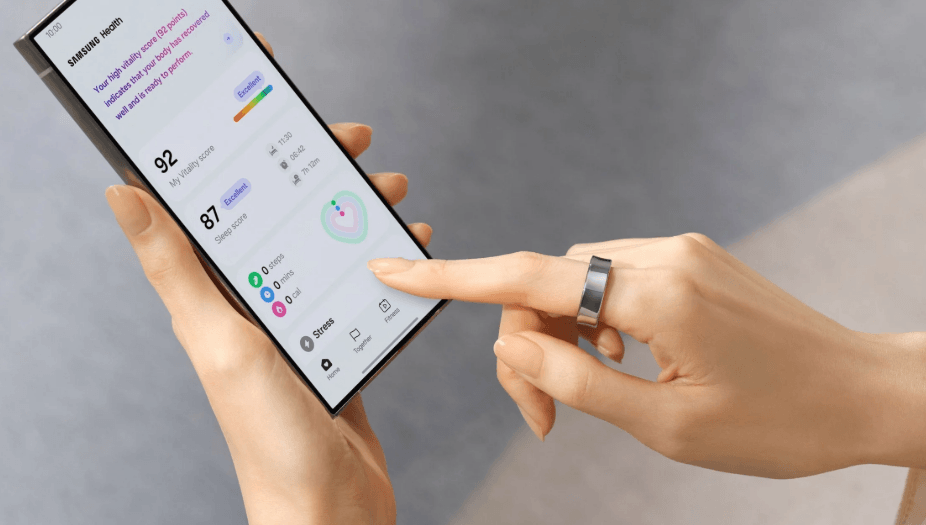
The consumer electronics landscape is undergoing a silent architectural shift. For years, the wearable market was dominated by single, hub-like devices worn on the wrist. However, as sensor technology miniaturizes and power efficiency improves, the concept of a solitary device tracking health metrics is evolving into a decentralized network. The contemporary wearable ecosystem relies on a synergistic relationship between micro-wearables placed at different points on the human body. By leveraging different anatomical positions, devices such as the Samsung smart ring and galaxy earbuds work in tandem to create a holistic, non-invasive matrix for health monitoring and high-fidelity spatial audio.
The Power of Dual-Anatomical Tracking
To understand the benefits of a distributed wearable ecosystem, one must look at the physiological advantages of tracking metrics from both the finger and the ear simultaneously. Each location provides unique data points that, when combined, offer a highly comprehensive picture of user wellness.
The Finger: A Goldmine for Peripheral Vitals
The human finger is packed with superficial blood vessels, making it an ideal location for continuous biometric tracking. Within an ultra-lightweight titanium frame, a modern smart ring embeds an advanced sensor array including:
- An Optical Bio-signal Sensor (Photoplethysmography or PPG)
- A Skin Temperature Sensor
- An Accelerometer
Because the finger features high vascular density close to the surface of the skin, the PPG sensor can capture heart rate, heart rate variability, and blood oxygen levels with remarkable precision. Furthermore, during rest, peripheral skin temperature monitoring offers critical baselines for sleep tracking, early signs of physiological stress, and metabolic cycles.
The Ear: The Ultimate Acoustic and Biometric Hub
Concurrently, the ear canal provides a stable, protected environment shielded from many external mechanical interferences that affect the wrist or hand. Standard ear-worn audio devices utilize internal and external microphone arrays alongside a Voice Pickup Unit to measure variables like acoustic exposure, real-time heart rate during physical activity, and head orientation.
When a user wears both the Samsung smart ring and Galaxy earbuds, data collection is optimized. For example, during high-velocity exercise, arm movements can introduce motion artifacts to a finger-worn sensor. At that precise moment, the ear-based wearable can cross-verify heart rate data using its high-signal-to-noise ratio microchip architecture, ensuring that the health insights delivered to the user remain flawless and unfiltered.
Synchronized Architecture: How the Ecosystem Operates
The true magic of this ecosystem lies in how these two distinctly designed form factors communicate and offload computational tasks. Rather than processing complex machine learning models directly on these power-constrained micro-units, the hardware relies on Low Energy Bluetooth architectures—specifically Bluetooth LE 5.4 and Bluetooth 6.1 protocols—to stream data back to a centralized smartphone framework.
Energy Optimization Through Smart Delegation
Battery constraints are the primary engineering bottleneck for micro-wearables. A finger ring typically houses a battery ranging between 18mAh and 23.5mAh, depending on the physical size, whereas an earbud contains roughly 45mAh to 61mAh per side.
To maximize operational efficiency, the ecosystem dynamically adjusts which device handles specific tracking metrics. When a user is sleeping, the audio unit sits in its transparent, magnetic charging cradle, allowing the ultra-light ring to take over 24/7 sleep stage tracking, skin temperature monitoring, and respiratory analysis. Conversely, during a call or an active workout session, the audio hardware handles the heavy processing loads—such as running Deep Neural Network noise reduction models for crystal-clear vocals and analyzing movement via built-in head gestures.
Redefining Audio Through Intelligent Health Data
The integration goes beyond mere health metrics; health data directly informs and enhances the acoustic experience. Modern audio hardware is equipped with Adaptive Active Noise Cancellation and Adaptive Equalizers that adjust audio frequencies based on the shape of the user’s ear canal and internal ear pressure. However, when paired with continuous input from a finger-worn health tracker, the system introduces a new paradigm of situational awareness.
See also: 6 Speech Practice Apps Worth Downloading for Kids in 2026
Dynamic Acoustic Environments
Imagine going for an outdoor run. The Samsung smart ring detects an elevated heart rate and pairs it with accelerometer data indicating an increase in running cadence. Recognizing that the user has transitioned into a high-intensity workout phase, the system can seamlessly signal the galaxy earbuds to shift from maximum isolation noise cancellation into an adaptive ambient mode. This allows ambient environmental sounds—like passing vehicles or horns—to filter through safely without requiring the user to break form or manually touch their device.
Similarly, when the ring senses that the user’s heart rate variability indicates a state of high stress or, alternatively, a state of deep relaxation at the end of the day, the centralized platform can automatically tailor the audio profiling. It can attenuate harsh high frequencies or enhance low-end warmth to provide a more soothing soundstage, directly utilizing physiological biofeedback to improve mental well-being.
Technical Specifications at a Glance
The hardware sophistication required to enable this level of seamless ecosystem interaction is immense. Below is a breakdown of the technical components that drive these micro-wearables:
| Feature/Specification | Finger-Worn Smart Ring | Ear-Based Audio Wearable |
| Primary Chassis Material | Grade 5 Titanium | Refined Composite with Metal Blade Finish |
| Connectivity Standards | Bluetooth Low Energy (BLE) 5.4 | Bluetooth 6.1 (LE Audio Ready) |
| Sensor Complement | PPG, Skin Temperature, Accelerometer | 3 Mics (High-SNR), VPU, Proximity, Hall |
| Water & Dust Protection | 10ATM, IP68 Rated | IP57 Level (Water & Sweat Resistant) |
| Audio Driver Configuration | N/A | Enhanced 2-Way Driver (Woofer + Tweeter) |
| Core Software Engine | Centralized Health AI Engine | Adaptive EQ 2.0 / 24-bit Hi-Fi Codec |
Future Trajectory: AI-Driven Predictive Wellness
As these multi-device ecosystems mature, the goal is shifting from reactive tracking to predictive wellness. The streams of biometric data collected from multiple touchpoints are synthesized by advanced on-device and cloud-based algorithmic models. Instead of simply informing a user of their sleep score or workout duration after the fact, the coordinated system creates an “Energy Score” or holistic wellness index.
By evaluating the quality of sleep tracked by the ring alongside the stress levels and daily auditory exposure monitored by the earbuds, the ecosystem can predict optimal recovery periods. If the system observes an elevated resting heart rate overnight and matches it with prolonged exposure to loud industrial noise during the day, it might proactively suggest a low-intensity recovery session paired with a specialized meditation soundscape.
This decentralized network represents the next major milestone in mobile and phone-adjacent technology. By separating input mechanisms across specialized form factors, users no longer have to compromise between comfort, style, audio fidelity, or granular medical-grade tracking. The integration of devices worn on the hand and in the ear ensures that technology remains remarkably integrated into daily habits while working unobtrusively in the background to optimize human performance.
