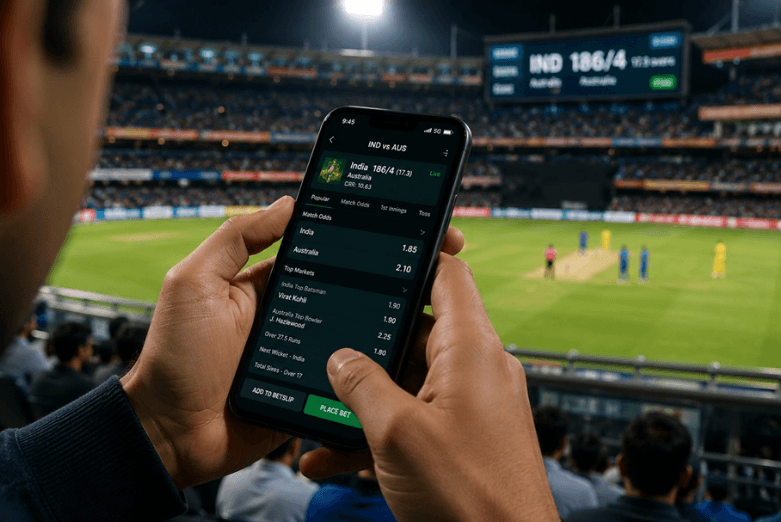
Live cricket is not watched in one clean line anymore. A fan may have the match on television, a scorecard on the phone, a chat open with friends, and a live page refreshing after every over. The sport still belongs on the field, but the way people follow it now depends on fast information, clear screens, and data that arrives before the next ball changes the picture again.
The first screen has to explain the match quickly
A cricket fan rarely opens a live page with time to explore. The phone comes out during a replay, after a wicket, between overs, or while someone asks how many runs are still needed. The page has only a few seconds to answer the basic question: what is happening right now?
For fans following South Asian cricket, desi cricket live odds can sit beside the scorecard as part of that second-screen habit, especially when the match is moving quickly and the user wants to understand how the pressure is changing. The page has to make that information readable before anything else competes for attention.
A live cricket screen that hides the score under banners, prompts, or crowded blocks immediately feels weaker. The fan wants score, overs, wickets, batters, bowler, and recent movement without digging.
Odds only make sense when the cricket is clear
A number that moves on a screen does not explain itself. In cricket, odds shift because the game shifts: a batter gets set, a bowler loses length, dew changes control, the required rate climbs, or one dropped catch gives the chase another life. Without that match context, live odds feel like disconnected data.
This is where design and cricket knowledge meet. A good page does not treat odds as separate from the game, but it also does not let betting information swallow the sport. The user needs to see the match first, then understand how the live movement relates to what just happened on the field.
What a useful live data page needs
A strong live cricket page does not need to look heavy. It needs to answer the right questions at the right time.
- Current score, wickets, and overs.
- Batters at the crease and bowler in action.
- Required rate during a chase.
- Recent wickets, boundaries, and dot-ball pressure.
- Overs remaining from main bowlers.
- Clear separation between match facts and betting areas.
- Stable layout when live updates arrive.
Stability matters as much as speed
Fast updates are useful only when the screen stays steady. A page that refreshes quickly but jumps under the thumb can feel careless. Cricket fans often check live information in short bursts, so even a small layout shift becomes irritating when it happens many times in one innings.
A better experience keeps the main match area fixed while the data changes. The score can refresh, the recent balls can update, and odds can move, but the page should not make the user lose their place every time something new arrives. In live sport, calm design is not boring. It is what lets the fan think clearly.
Betting-related pages need visible boundaries
Live odds sit close to emotion. A wicket, a six, or one tight over can make the next decision feel more urgent than it really is. That is why betting-related information needs a cleaner frame than ordinary match data.
Adults who use betting-style features where they are legal need to see the difference between reading the match and making a money-related choice. The scorecard, commentary, and odds movement can share the same page, but they should not blur into one confusing action. Account areas, limits, and exits should be easy to find.
Money for food, rent, bills, transport, savings, or family needs should stay away from entertainment. Cricket is too unpredictable for emotional decisions to feel safe, even when a fan reads the match well.
Better live cricket tech stays in the background
The strongest live cricket tools usually do not feel flashy. They feel useful. The page opens, the score is there, the layout stays readable, and the user can understand the match without fighting the interface.
That is what makes live odds interesting from a tech point of view. They are not only numbers changing after every ball. They are part of a larger mobile experience where timing, clarity, data flow, and user control all matter. When those parts work together, the fan can follow more of the match without letting the screen become bigger than the cricket.
